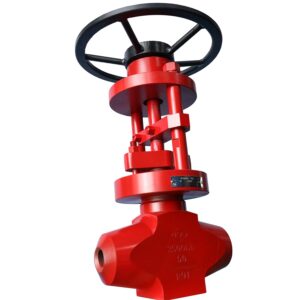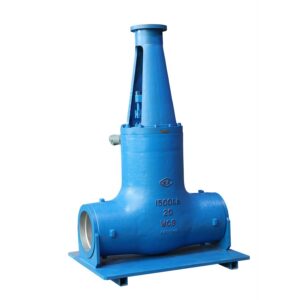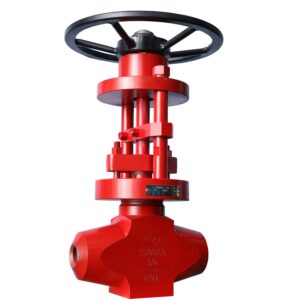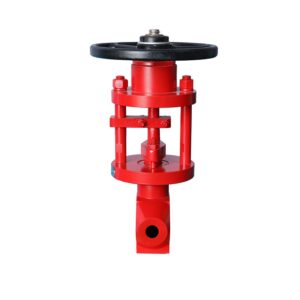
Rising Stem Gate Valves
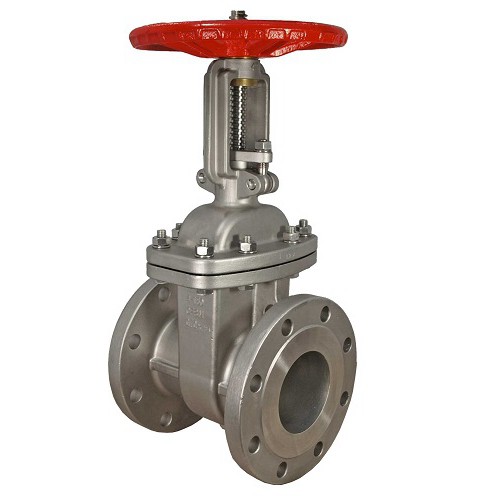
Product Introduction Gate valves serve to start or stop flow, the direction of movement of the gate is perpendicular to the direction of the fluid, the gate valve can only be fully opened or fully closed, and cannot be used as a valve to adjust the flow. Its working principle is that the gate plate
Product Introduction
Gate valves serve to start or stop flow, the direction of movement of the gate is perpendicular to the direction of the fluid, the gate valve can only be fully opened or fully closed, and cannot be used as a valve to adjust the flow. Its working principle is that the gate plate moves up and down together with the valve stem, and there are trapezoidal threads on the valve stem. The up and down movement of the valve stem is realized through the nut at the top of the valve and the guide groove on the valve body. Gate movement. The movement direction of the gate is perpendicular to the direction of the fluid medium in the pipeline.
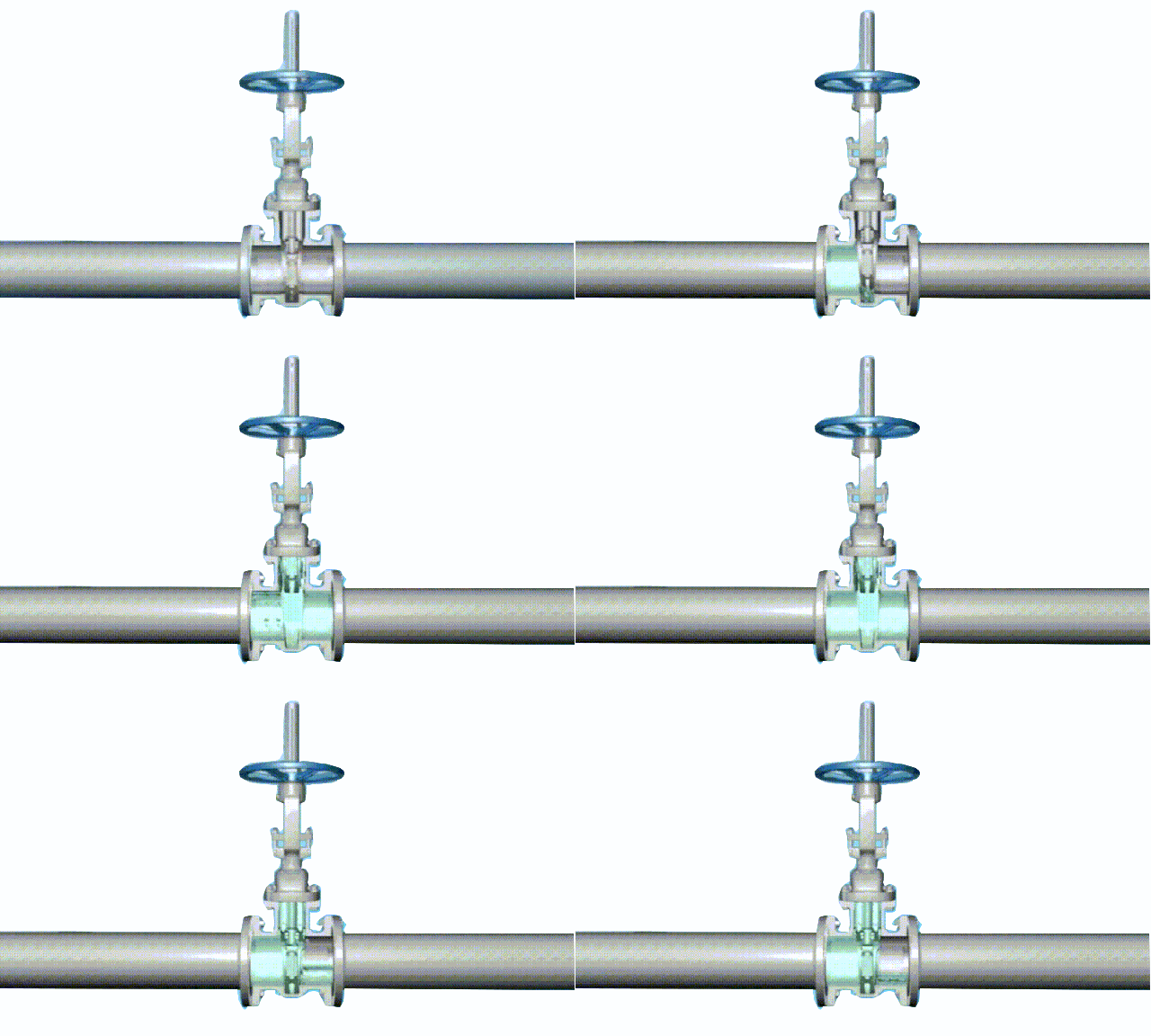
This feature makes it the first choice for isolation applications, especially in large diameter and high pressure lines. The threads of rising stem gate valves are located outside the valve body. So when the handwheel turns, it drives the nut inside the bonnet, causing the stem to raise or lower.
Therefore, it becomes easy to identify the position of the valve, because the gate valves are always up when they are open and down when they are closed. Therefore, this valve design requires a greater installation height compared to the non-rising design. Another advantage of this design is ease of lubrication because the threads are exposed.
The transmission mode of Rising stem gate valves is that a handwheel or an actuator drives the nut to rotate in place, and the valve stem rises and falls linearly. Through the threaded transmission of the valve stem and the steering wheel, the valve disc is lifted and lowered to complete the switching;
Gate valve with rising stem are constructed with the stem nut on the bonnet or bracket. When the gate is opened and closed, the valve stem nut rotates to realize the lifting of the valve stem.
Because of the valve stem, the rising stem gate valve requires a large installation space;
The structure of the gate valve with rising stem is conducive to the lubrication of the valve stem, and the degree of opening and closing is obvious; the valve stem thread of the non-rising stem gate valve not only cannot be lubricated, but also is directly corroded by the medium and is easily damaged. Therefore, the open stem gate valve and even the non-rising stem gate valve have a wider range of applications.
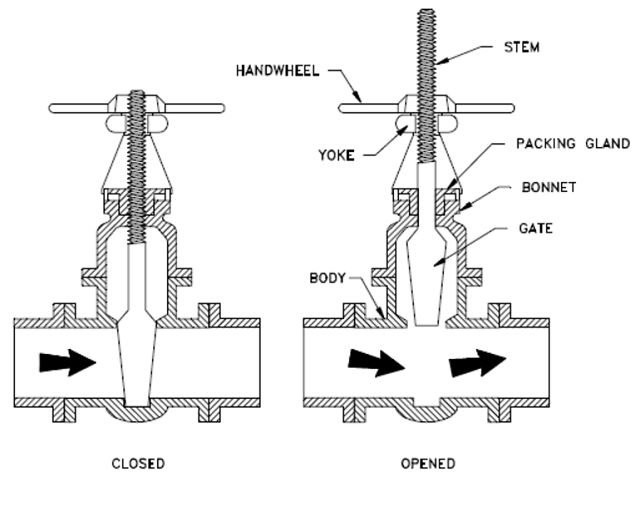
How to judge rising stem gate valve and non-rising stem gate valve?
The stem of the rising stem gate valve together drives the gate up and down. The drive threads on the stem are located outside the valve body. The opening and closing and position of the gate can be judged intuitively according to the movement direction and position of the valve stem; the driving thread of the non-rising stem gate valve is located on the valve. Inside the valve body, during the opening and closing process, the valve stem only rotates, the gate rises and falls in the valve body, and the valve opens and closes without turning the steering wheel.
Product Overview - XURI Valve
Rising stem gate valve designed for on-off isolation in pipeline systems. Available in carbon steel, stainless steel, and alloy materials. Class 150-2500, sizes 2"-48". API 600 certified. Suitable for oil & gas, petrochemical, power generation, and water treatment applications.
ISO 9001 certified gate valve manufacturer, factory direct pricing with fast global delivery. API 600 compliant, OEM/ODM available for custom specifications.
Available Configurations
- Sizes: DN15 - DN600 (1/2" - 24")
- Pressure Ratings: Class 150 - Class 2500 (PN16 - PN420)
- Body Materials: WCB, WCC, LCB, LCC, WC6, WC9, C5, C12A, CF8, CF8M, CF3, CF3M, Duplex 2205/2507
- End Connections: Flanged (RF, RTJ), Butt Weld, Socket Weld, Threaded (NPT)
- Operation: Manual (Rising Stem, Non-rising Stem), Gearbox, Pneumatic, Electric
- Seat Design: Flexible Wedge, Solid Wedge, Split Wedge, Double Disc Parallel Slide
- Trim Materials: 13Cr, STL, Monel, Inconel, Hastelloy
- Standards: API 600, API 602, ASME B16.34, BS 1414, NACE MR0175
Specifications
| 压力等级 (Pressure Rating) | PN16 ~ PN420 / Class 150 ~ 2500 |
|---|---|
| 阀体材质 (Body Material) | Carbon & Alloy Steel (WCB, WC6, WC9, A105) |
| 适用介质 (Applicable Media) | Water, Oil, Gas, Steam |
| 连接方式 (End Connection) | Threaded |
| 驱动方式 (Operation Type) | Manual / Automatic |
| 应用领域 (Applications) | Petroleum, Chemical, Power |