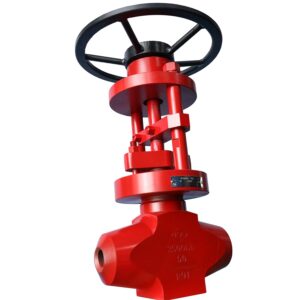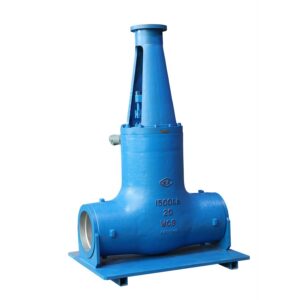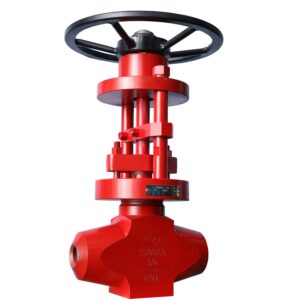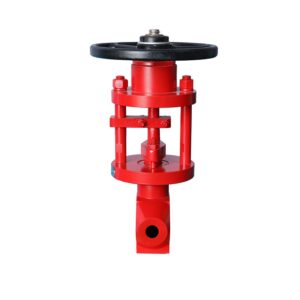
Resilient Wedge Gate Valve
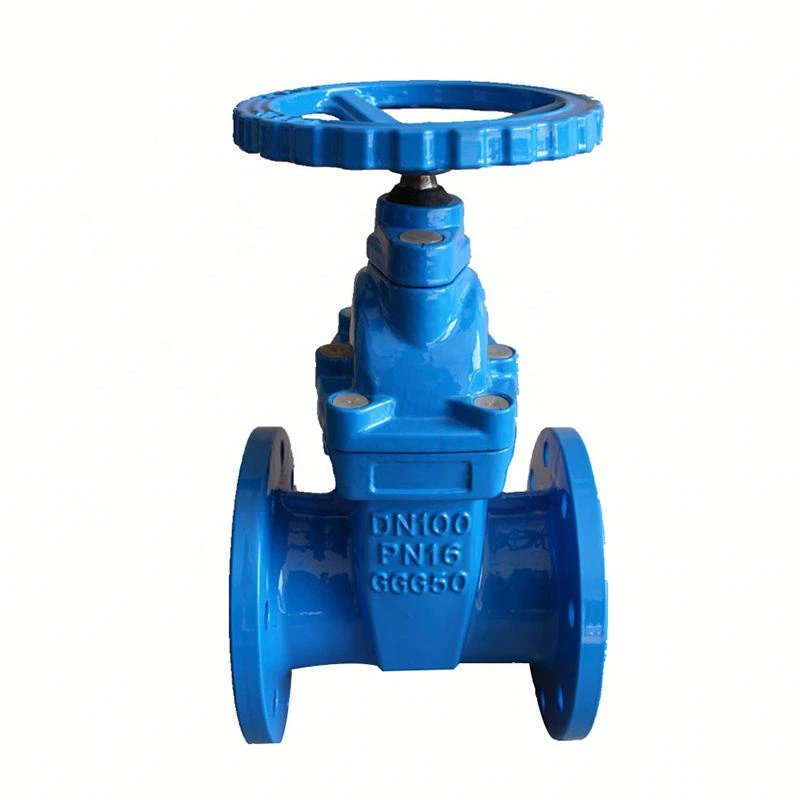
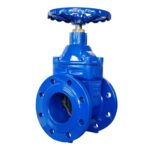
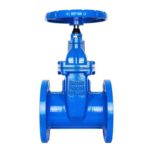
Product Introduction Resilient wedge gate valves are one of the most prolific designs in the water industry. Resilient seal gate valves have a common valve bottom, which uses a fully rubber-sealed wedge to prevent the embedment and build-up of sand and sediment that can cause damage on metal-seal ga
Product Introduction
Resilient wedge gate valves are one of the most prolific designs in the water industry. Resilient seal gate valves have a common valve bottom, which uses a fully rubber-sealed wedge to prevent the embedment and build-up of sand and sediment that can cause damage on metal-seal gate valves. Seal erosion. If impurities pass through when the valve is closed, the rubber surface around the impurities will close when the valve is closed. The high-quality rubber compound absorbs impurities when the valve is closed, and when the valve is opened again, the impurities are washed away. The rubber surface will return to its original shape, ensuring a drop-resistant seal.
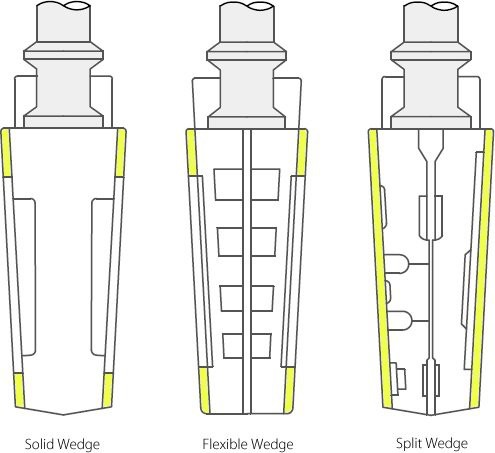
Solid (rigid) wedge
With flexible wedges, the two door panels are not rigidly connected, but are joined together by a web in the middle. Therefore, the two plate sides are elastic (flexible) to a certain extent, and thus can be adapted more precisely to the housing seat. Compared to a solid wedge gate valve, the achievable tightness is much higher.
Most gate valves today are manufactured with elastic wedges due to their good sealing properties and light weight. The exception is soft seat gate valves, which are mainly used in the water/wastewater sector. In these gate valves, the solid wedges are fully vulcanized with NBR or EPDM, resulting in a high degree of tightness.
Flexible wedges are one-piece solid discs with cutouts on the perimeter, or an integral boss in the middle. The wedges are flexible enough to find their way. This construction has become a popular design because the wedges are simple and do not contain separate components that could loosen in use. This design improves seat alignment and provides better sealing. It also improves performance where thermal bonding is possible.
Cutouts or overall bosses will vary in size, shape and depth. Shallow, narrow cuts offer little flexibility but retain strength. Deeper and wider cuts or cast-in grooves leave less material in the middle, which allows for more flexibility but reduces strength.
The disadvantage of split gates is that the process fluid tends to collect between the disks. These can lead to erosion and eventually weaken the disc.
Resilient wedge gate valves have features that make them easier to operate, maintain sealing ability and internal coating integrity for years of reliable service.
XURI Sealed Flexible Wedge Gate Valves are ideal for high pressure steam (main steam isolation), liquids (feedwater isolation), catalytic reformers, hydrocrackers and other harsh services.
XURI’s proven pressure-tight design.
Our flexible wedges provide superior seat tightness and non-stick properties.
Wedge guides minimize seat friction and wear for longer cycle life.
Designed to ASME B16.34 standards.
The valve body is made of high strength forgings and optional cast steel.
Stem seals provide a tight seal that requires little maintenance over long periods of time.
Optional packaging live.
Non-rotating stem.
Hard-surfaced seat surface resists erosion.
Other sizes and pressure ratings are available. Please contact the company for specifications.
Product Overview - XURI Valve
Resilient wedge gate valve designed for on-off isolation in pipeline systems. Available in carbon steel, stainless steel, and alloy materials. Class 150-2500, sizes 2"-48". API 600 certified. Suitable for oil & gas, petrochemical, power generation, and water treatment applications.
ISO 9001 certified gate valve manufacturer, factory direct pricing with fast global delivery. API 600 compliant, OEM/ODM available for custom specifications.
Available Configurations
- Sizes: DN15 - DN600 (1/2" - 24")
- Pressure Ratings: Class 150 - Class 2500 (PN16 - PN420)
- Body Materials: WCB, WCC, LCB, LCC, WC6, WC9, C5, C12A, CF8, CF8M, CF3, CF3M, Duplex 2205/2507
- End Connections: Flanged (RF, RTJ), Butt Weld, Socket Weld, Threaded (NPT)
- Operation: Manual (Rising Stem, Non-rising Stem), Gearbox, Pneumatic, Electric
- Seat Design: Flexible Wedge, Solid Wedge, Split Wedge, Double Disc Parallel Slide
- Trim Materials: 13Cr, STL, Monel, Inconel, Hastelloy
- Standards: API 600, API 602, ASME B16.34, BS 1414, NACE MR0175
Specifications
| 压力等级 (Pressure Rating) | PN16 ~ PN420 / Class 150 ~ 2500 |
|---|---|
| 阀体材质 (Body Material) | Carbon & Alloy Steel (WCB, WC6, WC9, A105) |
| 适用介质 (Applicable Media) | Water, Oil, Gas, Steam |
| 连接方式 (End Connection) | Flanged / Threaded / Welded |
| 驱动方式 (Operation Type) | Manual / Automatic |
| 应用领域 (Applications) | Petroleum, Chemical, Power |