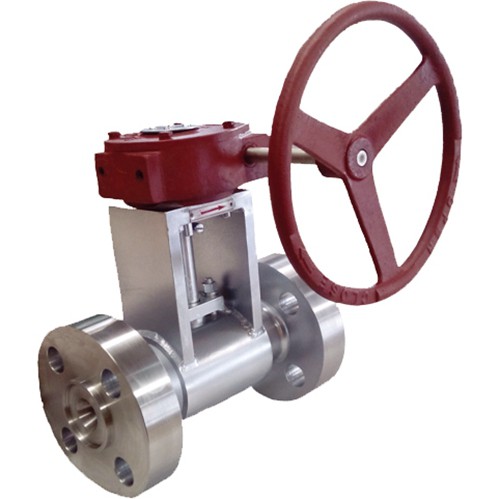
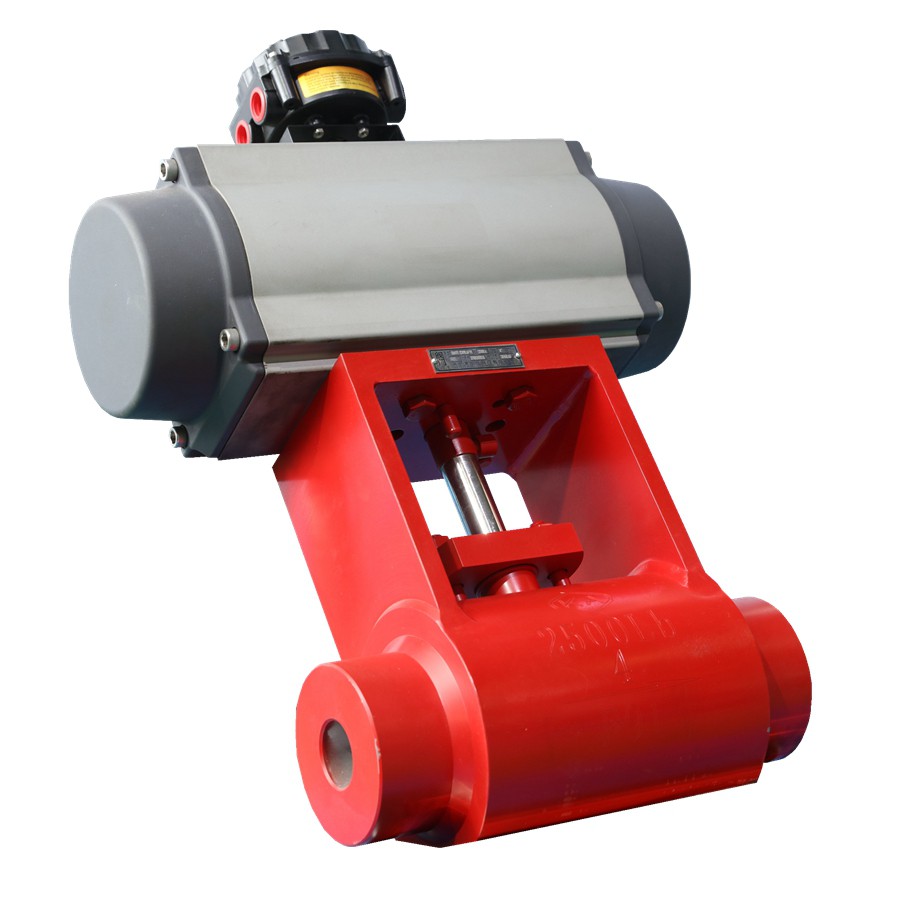
High Pressure Stainless Steel Ball Valve
One is ferritic stainless steel valves: 12% to 30% chromium. Its corrosion resistance, toughness and weldability increase with the increase of chromium content, and its resistance to chloride stress corrosion is better than other types of stainless steel valves. The second is: austenitic stainless s
Product Introduction
High pressure stainless steel ball valve materials are usually divided into four categories according to the matrix structure
One is ferritic stainless steel valves: 12% to 30% chromium. Its corrosion resistance, toughness and weldability increase with the increase of chromium content, and its resistance to chloride stress corrosion is better than other types of stainless steel valves.
The second is: austenitic stainless steel valve: the chromium content is more than 18%, and it also contains about 8% nickel and a small amount of molybdenum, titanium, nitrogen and other elements. Good overall performance, resistant to corrosion by various media.
The third is austenitic-ferritic duplex stainless steel valve: it has the advantages of both austenitic and ferritic stainless steel ball valves, and has superplasticity.
Fourth, martensitic stainless steel valves: high strength, but poor plasticity and weldability.
Stainless steel valve materials are divided into five categories according to metallographic phase
One is Austenite stainless steel valves: 304 stainless steel valves are of this type. The standard composition of 304 is 18% chromium plus 8% nickel, which is commonly known as 18-8 stainless steel valves. This type of stainless steel valve contains alloying element – nickel, which has good corrosion resistance.
The second is Martensitic stainless steel valve: the representative steel type of this type of stainless steel valve is 410, and its chemical composition contains 13% chromium, less than 0.15% carbon and a small amount of other elemental alloys. But it does not contain nickel and has poor corrosion resistance.
The third is ferritic stainless steel valve: the representative steel type of this type of stainless steel valve is 430, and its standard chemical composition is 16-18% chromium, low carbon content, nickel-free and relatively cheap.
The fourth is Precipitation hardening stainless steel valve: In addition to chromium and nickel, this type of stainless steel valve also contains precipitation hardening elements such as copper, aluminum and titanium, which harden the material and increase its strength.
The fifth is duplex stainless steel valve: the typical steel grade of this type of stainless steel valve is 2205, which contains 22% chromium and 5% nickel.
high pressure stainless steel ball valve production range
Design Standard: AIP6D
Fire protection design
Low leakage control
B heart rectangular blocking and discharging function Pressure in the chamber from the discharge function overload
Diameter: 2″-48″
Pressure: ANSI 150LB-2500LB
Body material: carbon steel, stainless steel Trim material: soft sealing, metal seal Mode of operation: manual operation, gear,
high pressure stainless steel ball valve design criteria
Design and manufacture: GB12237, API 6D
Structure length: GB12221, ANSI B16.10
Flange connection: JB/T79, GB9112-9131 ANSI B 16.25
Pressure temperature rating: ANSI B16.34 E101
Test and inspection: API598 E101
high pressure stainless steel ball valve has the following characteristics
The fluid resistance is small, and the full-bore ball valve basically has no flow resistance.
Simple structure, small size and light weight.
Tight and reliable. It has two sealing surfaces, and various plastics are widely used in the sealing surface materials of the ball valve at present, which has good sealing performance and can realize complete sealing. It has also been widely used in vacuum systems.
Easy to operate, fast opening and closing, only need to rotate 90° from fully open to fully closed, which is convenient for remote control.
The maintenance is convenient, the structure of the ball valve is simple, the sealing ring is generally movable, and it is more convenient to disassemble and replace.
When fully open or fully closed, the sealing surface of the ball and the valve seat is isolated from the medium, and when the medium passes through, it will not cause erosion of the valve sealing surface.
It has a wide range of applications, with diameters as small as a few millimeters and as large as several meters, and can be applied from high vacuum to high pressure.
Because the ball valve has wiping properties during opening and closing, it can be used in media with suspended solid particles.
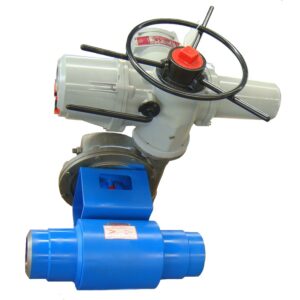
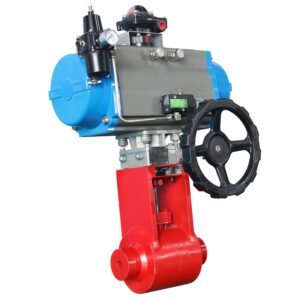
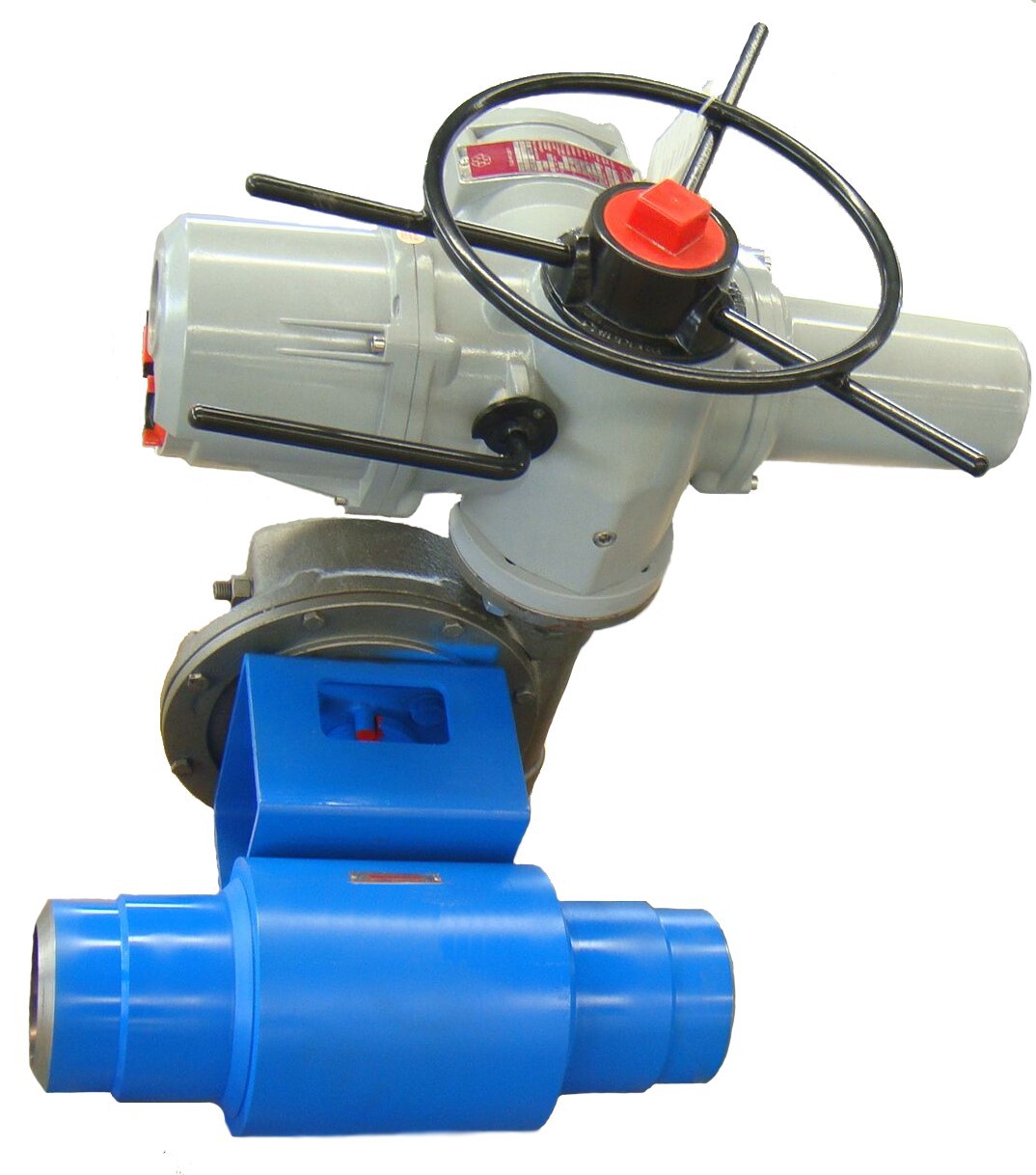
The high-pressure stainless steel ball valve has 4 control methods, manual, electric, pneumatic, and hydraulic. According to different control methods, it can also be called
stainless steel actuated ball valves
stainless steel pneumatic ball valve
stainless steel ball valve with electric actuator
According to different site requirements, it can also be subdivided into single-acting pneumatic actuator ball valves, double-acting pneumatic actuator ball valves, single-acting electric ball valves and double-acting electric ball valves. Single-acting actuators usually return by springs, so single-acting The ball valve can also be called spring return electric ball valve.
If you need high pressure stainless steel ball valve, please contact our sales for detailed information.
Product Overview - XURI Valve
This High pressure stainless steel ball valve provides reliable shut-off and flow control. Available in carbon steel, stainless steel. Class 150-2500, sizes 1"-48". API 6D certified. Fire-safe design available. Suitable for pipeline, oil & gas, chemical, and general industrial applications.
Factory direct ball valve manufacturer, API 6D fire-safe certified. OEM/ODM available for custom end connections. ISO 9001 certified, fast global shipping.
Product Features
The fluid resistance is small, and the full-bore ball valve basically has no flow resistance. Simple structure, small size and light weight. Tight and reliable. It has two sealing surfaces, and various plastics are widely used in the sealing surface materials of the ball valve at present, which has good sealing performance and can realize complete sealing. It has also been widely used in vacuum systems. Easy to operate, fast opening and closing, only need to rotate 90° from fully open to fully closed, which is convenient for remote control. The maintenance is convenient, the structure of the ball valve is simple, the sealing ring is generally movable, and it is more convenient to disassemble and replace. When fully open or fully closed, the sealing surface of the ball and the valve seat is isolated from the medium, and when the medium passes through, it will not cause erosion of the valve sealing surface. It has a wide range of applications, with diameters as small as a few millimeters and as large as several meters, and can be applied from high vacuum to high pressure. Because the ball valve has wiping properties during opening and closing, it can be used in media with suspended solid particles.
Available Configurations
- Sizes: DN15 - DN200 (1/2" - 8")
- Pressure Ratings: Class 150 - Class 2500 (PN16 - PN420)
- Body Materials: WCB, WCC, LCB, LCC, WC6, WC9, C5, C12A, CF8, CF8M, CF3, CF3M
- End Connections: Flanged (RF, RTJ), Butt Weld (BW), Socket Weld (SW), Threaded (NPT)
- Operation: Manual, Pneumatic, Electric, Hydraulic
- Ball Type: Floating Ball, Trunnion Mounted Ball
- Seat Design: Soft Seated (PTFE, RTFE, PEEK), Metal Seated (Stellite, Tungsten Carbide)
- Standards: API 6D, ASME B16.34, ISO 17292, API 607 (Fire Safe)
Specifications
| 压力等级 (Pressure Rating) | 300LB |
|---|---|
| 阀体材质 (Body Material) | Stainless Steel (CF8, CF8M, 304, 316) |
| 适用介质 (Applicable Media) | Water, Oil, Gas, Steam |
| 连接方式 (End Connection) | Flanged / Threaded / Welded |
| 驱动方式 (Operation Type) | Manual / Gear |
| 应用领域 (Applications) | Petroleum, Chemical, Power |