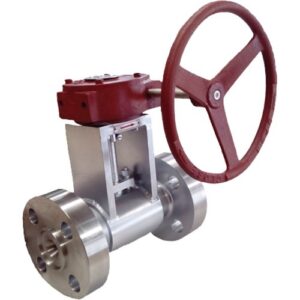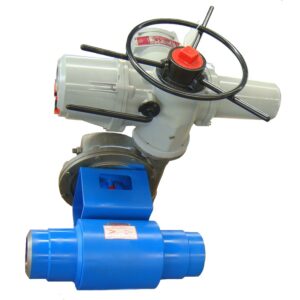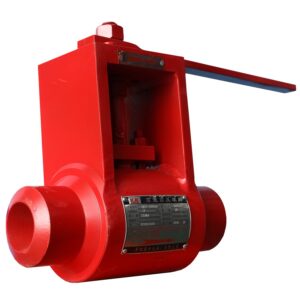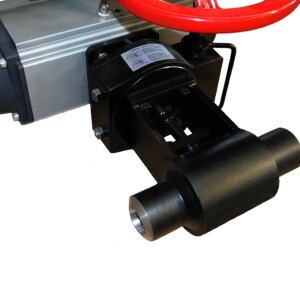
High Pressure Pneumatic Actuated Ball Valve
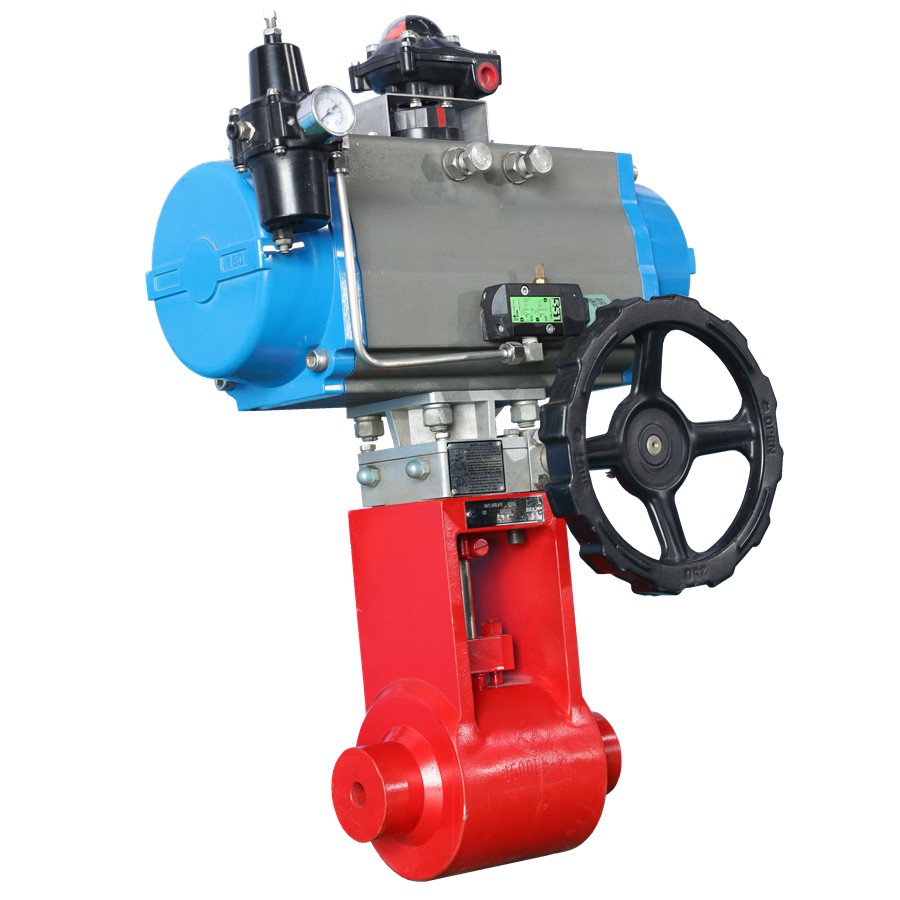
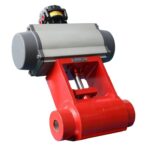
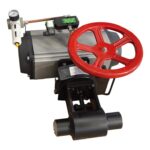
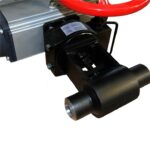
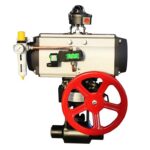
The high pressure pneumatic actuated ball valve is composed of a double (single) acting pneumatic piston actuator and a high pressure ball valve, and is an integrated self-control valve driven by compressed air. It can also adopt intelligent control and positioning, matched with electric valve posi
Product Introduction
What is high pressure pneumatic actuated ball valve?
The high pressure pneumatic actuated ball valve is composed of a double (single) acting pneumatic piston actuator and a high pressure ball valve, and is an integrated self-control valve driven by compressed air. It can also adopt intelligent control and positioning, matched with electric valve positioner, input 4~20mADC signal and 0.4~0.7MPa air source to control the operation, and realize the adjustment of pressure, flow, temperature, liquid level and other parameters. It is widely used in automatic control of high-pressure pipeline equipment such as gas stations, tankers, gas high-pressure pipelines, and equipment. The execution speed of the pneumatic actuator is relatively fast, and the fastest switching speed is 0.05 seconds/time, so it is usually also called a pneumatic quick shut-off ball valve. Pneumatic ball valves are usually equipped with various accessories, such as solenoid valves, filter pressure reducing valves, limit switches, positioners, control boxes, etc., to achieve local control and remote centralized control. The switch of the valve can be controlled in the control room. There is no need to go to the scene or bring manual control at high altitudes and dangerous areas, which greatly saves human resources and time, and greatly improves safety.
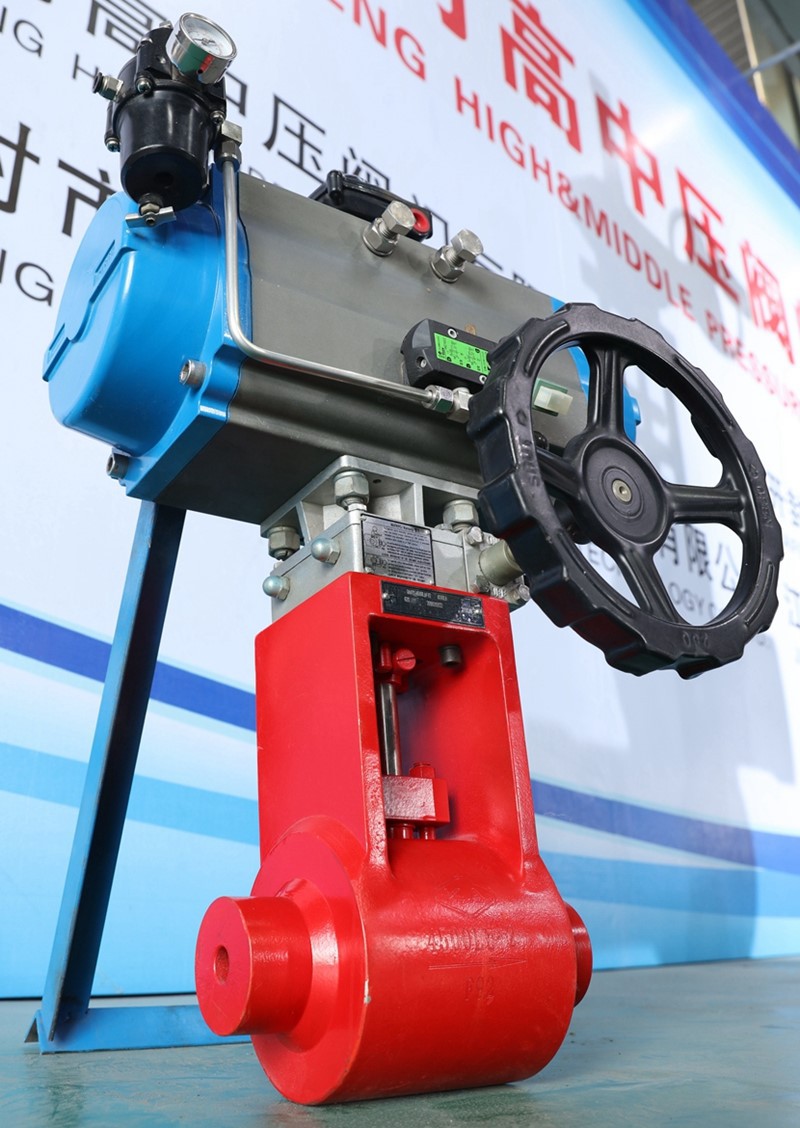
pneumatic actuated ball valve
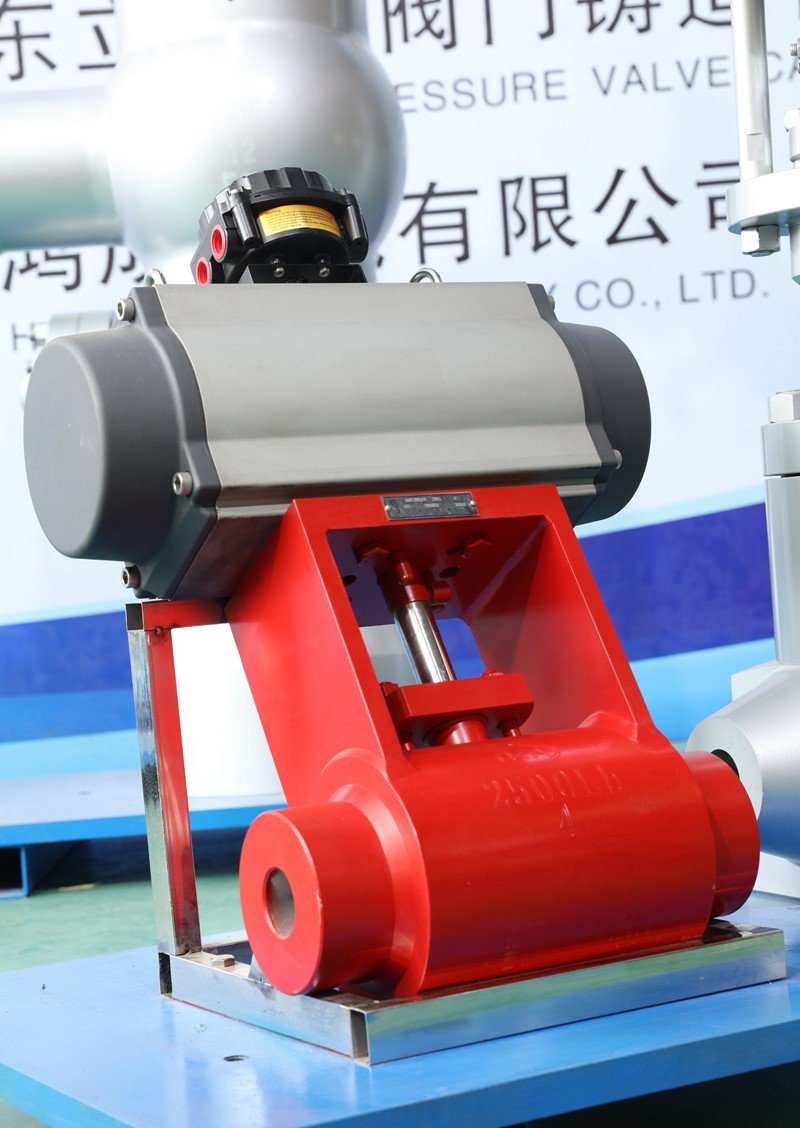
high pressure pneumatic actuated ball valve
high pressure pneumatic actuated ball valve scope of application:
Suitable for air, steam, water, oil and other chemical media compatible with valve materials.
Actuator type for high pressure pneumatic actuated ball valve:
The pneumatic ball valve uses single-acting and double-acting pneumatic actuators to drive the ball valve to realize the conversion of the switch position and achieve the purpose of automatic control. Pneumatic actuators are divided into double-acting actuators and single-acting actuators (spring return). Double-acting actuators are small in size and large in output torque. Single-acting actuators can be reset by springs when there is no air source.
Control unit of high pressure pneumatic actuated ball valve:
The switching of the gas in and out of the actuator of the pneumatic ball valve is realized by the solenoid valve. The solenoid valve provided by XURI can be compactly fixed on the side of the actuator. In addition, a valve position indicator can be installed on the top of the actuator according to the need. The switch position is converted into a switch electrical signal.
Technical parameters of high pressure pneumatic actuated ball valve control unit
1. Solenoid valve (used to switch the intake and exhaust of the pneumatic actuator)
● Voltage: 24V DC or 220V AC
● Interface thread: Rc1/4
2. Valve position indicator (used to convert valve switch position into electrical signal)
● Number of contacts: 1 normally open and 1 normally closed contact for each switch position
● Maximum contact load: 16A, 250VAC
Installation of high pressure pneumatic actuated ball valve
1) Remove the protective covers on both sides of the flange end, and rinse and clean with the valve fully open.
2) Before installation, the complete machine test should be carried out according to the specified signal (electricity or gas) (to prevent the vibration caused by transportation from affecting the performance), and it can be installed online after passing the test (the wiring is according to the circuit diagram of the electric actuator).
3) Before preparing to connect with the pipeline, the remaining impurities in the pipeline must be flushed and removed (these substances may damage the valve seat and ball).
4) During installation, please do not use the actuator part of the valve as a lifting point to avoid damage to the actuator and accessories. .
5) This type of valve should be installed in the horizontal or vertical direction of the pipeline.
6) The pipeline near the installation point must not be drooped or subjected to external force. Pipe brackets or supports can be used to eliminate the deviation of the pipeline.
7) After connecting with the pipeline, please cross-tighten the flange connection bolts with the specified torque.
Operation and use of high pressure pneumatic actuated ball valve
1) Make sure the pipeline and valve have been flushed before operation.
2) The operation of the valve is completed by driving the valve stem to rotate according to the magnitude of the input signal of the actuator: when it rotates 1/4 circle (90°) in the forward direction, the valve is closed. The valve opens when it is rotated 1/4 of a turn (90°) in the opposite direction.
3) When the direction indicating arrow of the actuator is parallel to the pipeline, the valve is in the open state; when the indicating arrow is perpendicular to the pipeline, the valve is in the closed state.
Maintenance of high pressure pneumatic actuated ball valve
Having a long service life and maintenance-free period will depend on the following factors: normal working conditions, maintaining a harmonious temperature/pressure ratio, and reasonable corrosion data.
Product Overview - XURI Valve
This Pneumatic actuated ball valve provides reliable shut-off and flow control. Available in carbon steel, stainless steel. Class 150-2500, sizes 1"-48". API 6D certified. Fire-safe design available. Suitable for pipeline, oil & gas, chemical, and general industrial applications.
Factory direct ball valve manufacturer, API 6D fire-safe certified. OEM/ODM available for custom end connections. ISO 9001 certified, fast global shipping.
Available Configurations
- Sizes: DN15 - DN200 (1/2" - 8")
- Pressure Ratings: Class 150 - Class 2500 (PN16 - PN420)
- Body Materials: WCB, WCC, LCB, LCC, WC6, WC9, C5, C12A, CF8, CF8M, CF3, CF3M
- End Connections: Flanged (RF, RTJ), Butt Weld (BW), Socket Weld (SW), Threaded (NPT)
- Operation: Manual, Pneumatic, Electric, Hydraulic
- Ball Type: Floating Ball, Trunnion Mounted Ball
- Seat Design: Soft Seated (PTFE, RTFE, PEEK), Metal Seated (Stellite, Tungsten Carbide)
- Standards: API 6D, ASME B16.34, ISO 17292, API 607 (Fire Safe)
Specifications
| 压力等级 (Pressure Rating) | PN16 ~ PN420 / Class 150 ~ 2500 |
|---|---|
| 阀体材质 (Body Material) | Carbon & Alloy Steel (WCB, WC6, WC9, A105, F91, F92) |
| 适用介质 (Applicable Media) | Water, Oil, Gas, Steam |
| 连接方式 (End Connection) | Flanged / Threaded / Welded |
| 驱动方式 (Operation Type) | Pneumatic / Automatic |
| 应用领域 (Applications) | Petroleum, Chemical, Power |