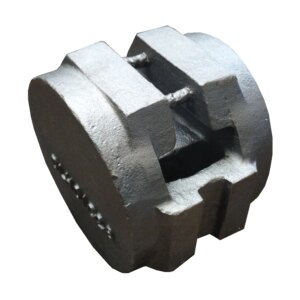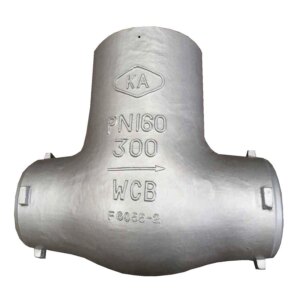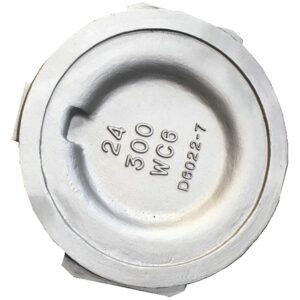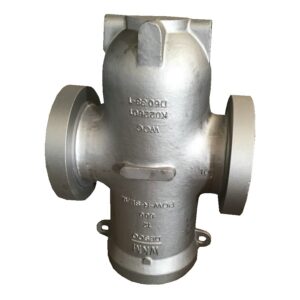
28 Inch WCB Gate Valve Disc Casting
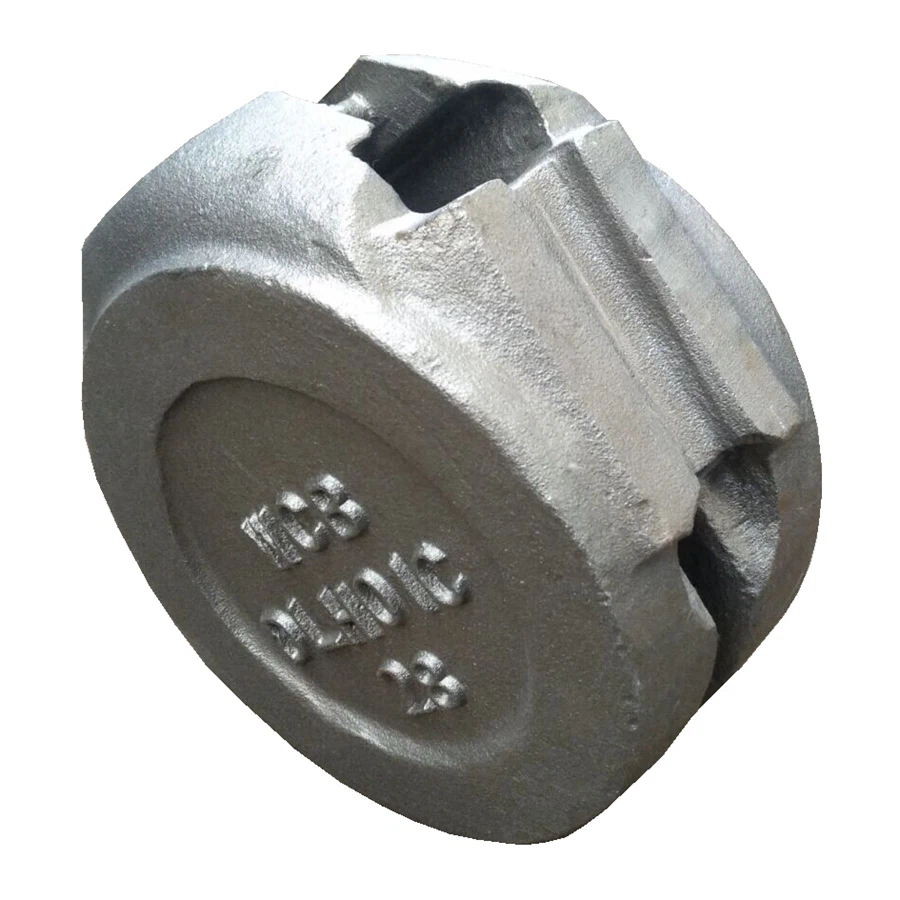
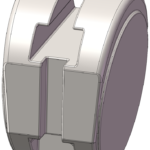
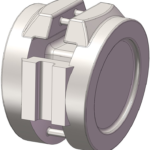
Product Introduction Gate valves are typically used in industrial applications to control the flow of various types of fluids, such as water, oil, and gas. The disc of a gate valve is an important component that controls the flow of the fluid through the valve. The disc can be manufactured using var
Product Introduction
Gate valves are typically used in industrial applications to control the flow of various types of fluids, such as water, oil, and gas. The disc of a gate valve is an important component that controls the flow of the fluid through the valve. The disc can be manufactured using various casting processes, including resin sand molding.
Resin sand casting is a widely used method for manufacturing valves in the industry. In this process, a mixture of resin and sand is used as a mold material. The resin is used to bind the sand particles together, creating a solid mold that can be used to cast the valve.
The resin sand casting process involves several steps. First, the pattern of the valve is created using wood, metal, or plastic. The pattern is used to make an impression in the sand, which will form the mold for the valve. Next, a mixture of resin and sand is poured into the mold cavity. The mixture is allowed to harden, and the pattern is removed from the mold.
After the mold is formed, the molten metal is poured into it. The metal flows into the mold cavity, taking the shape of the valve. The metal is allowed to cool and solidify, and the mold is then broken open to remove the casting.
One of the advantages of resin sand casting is its versatility. It can be used to cast valves of various shapes and sizes, making it suitable for both small and large-scale production. The process also allows for intricate details to be included in the valve design.
Another advantage of resin sand casting is its cost-effectiveness. The materials used in the process are relatively inexpensive, making it a cost-effective method for producing valves in large quantities.
However, resin sand casting does have some drawbacks. The process can be time-consuming, as it involves several steps that must be completed in a specific sequence. The molds also need to be carefully maintained, as the resin can degrade over time, leading to poor quality castings.
In conclusion, resin sand casting is a widely used method for manufacturing valves due to its versatility and cost-effectiveness. Despite its drawbacks, it remains a popular choice in the industry, and advances in technology are making the process faster and more efficient.
Product Overview - XURI Valve
Size-based gate valve designed for on-off isolation in pipeline systems. Available in carbon steel, stainless steel, and alloy materials. Class 150-2500, sizes 2"-48". API 600 certified. Suitable for oil & gas, petrochemical, power generation, and water treatment applications.
ISO 9001 certified gate valve manufacturer, factory direct pricing with fast global delivery. API 600 compliant, OEM/ODM available for custom specifications.
Specifications
| 公称通径 (Size/DN) | 28 Inch |
|---|---|
| 压力等级 (Pressure Rating) | PN16 ~ PN420 / Class 150 ~ 2500 |
| 阀体材质 (Body Material) | Carbon & Alloy Steel (WCB) |
| 适用介质 (Applicable Media) | Water, Oil, Gas, Steam |
| 连接方式 (End Connection) | Flanged / Threaded / Welded |
| 驱动方式 (Operation Type) | Manual / Automatic |
| 应用领域 (Applications) | Petroleum, Chemical, Power |