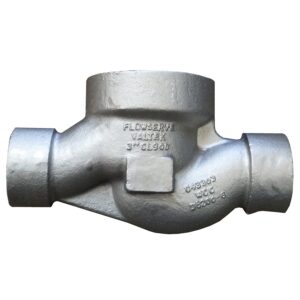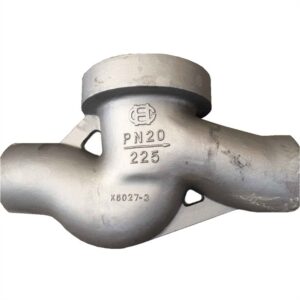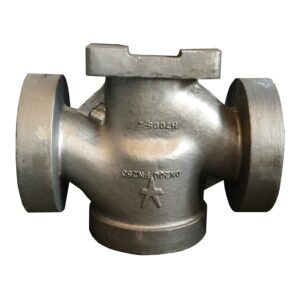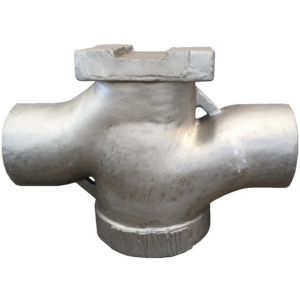
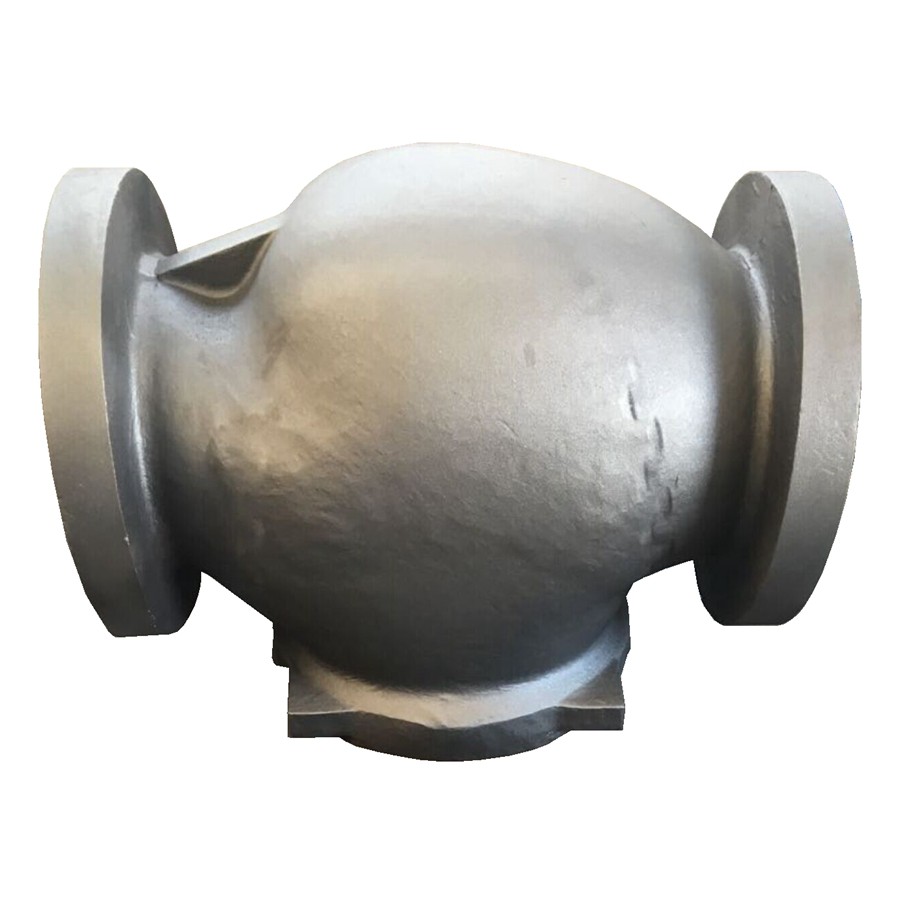
Globe Valve Body Casting
Product Introduction Introduction to Globe Valve Casting: Materials, Production and Advantages Globe valve casting is the process of creating valve bodies for globe valves through the use of casting techniques. Globe valves are essential components of fluid control systems, regulating the flow of fl
Product Introduction
Introduction to Globe Valve Casting: Materials, Production and Advantages
Globe valve casting is the process of creating valve bodies for globe valves through the use of casting techniques. Globe valves are essential components of fluid control systems, regulating the flow of fluids in pipelines. The valve body is the main component of a globe valve casting, and it is typically made of various materials depending on the application.
Materials for Globe Valve Casting
The choice of material for a globe valve casting depends on the fluid being controlled, the pressure, and temperature of the application. Some of the commonly used materials for globe valve casting include cast iron, cast steel, bronze, and stainless steel. Cast iron is used for low-pressure applications such as in domestic water systems. Cast steel is commonly used in high-pressure and high-temperature applications such as in steam systems. Bronze is used for seawater applications while stainless steel is used for applications where corrosion resistance is required.
Production Considerations for Globe Valve Casting
The production of globe valve castings requires careful consideration of several factors to ensure high-quality valve bodies. The first consideration is the mold-making process, which involves creating a mold in the shape of the valve body. The mold material is typically made of sand, which is mixed with resin to create a durable mold. The molten metal is then poured into the mold, and once cooled, the mold is broken away, leaving the valve body.
Another critical consideration is the finishing process, which involves removing any casting defects, such as porosity or rough surfaces, and ensuring the valve body meets the required specifications.
Advantages of Globe Valve Casting
Compared to forging, casting offers several advantages in the production of globe valve bodies. First, casting allows for the creation of more complex shapes, which is difficult to achieve through forging. This allows for more design flexibility and customization in the creation of valve bodies. Second, casting is a more cost-effective method of production, especially for large volume productions. Finally, casting allows for the creation of larger valve bodies than forging, making it a suitable option for larger applications.
Conclusion
In conclusion, globe valve casting is an essential production technique in the creation of valve bodies for globe valves. The choice of material for a globe valve casting depends on the application, and careful consideration is given to the production process to ensure high-quality valve bodies. Compared to forging, casting offers several advantages in terms of design flexibility, cost-effectiveness, and the ability to create larger valve bodies.
Product Overview - XURI Valve
This Industrial globe valve provides precise flow throttling and regulation. Available in carbon steel, stainless steel, and alloy materials. Class 150-2500, sizes 1"-24". API 602 certified. Suitable for high-pressure steam, chemical processing, power generation, and general industrial applications.
ISO 9001 certified globe valve manufacturer, factory direct supply. OEM/ODM available for custom trim and materials. API 602 certified, fast delivery worldwide.
Specifications
| 压力等级 (Pressure Rating) | PN16 ~ PN420 / Class 150 ~ 2500 |
|---|---|
| 阀体材质 (Body Material) | Carbon & Alloy Steel (WCB, WC6, WC9) |
| 适用介质 (Applicable Media) | Water, Oil, Gas, Steam |
| 连接方式 (End Connection) | Flanged / Threaded / Welded |
| 驱动方式 (Operation Type) | Manual / Automatic |
| 应用领域 (Applications) | Petroleum, Chemical, Power |